
“Objectively shitty.”
In early June of this year, that’s what YouTuber, Jesse Ridgway, said about the future life of his never-to-be-born unborn child, simply because the testing showed that he/she would be born with 47 chromosomes, not the usual 46.1
Let me be clear. I’m not here to judge Jesse Ridgway or his wife on their decision. We live in America where they have the right to be pro-choice just as I have the right to be pro-life. We’re all adults. We all answer to God. We all make decisions based on what we believe to be true.
And, there’s the rub. What Mr. Ridgway and his wife believed to be true were a lot of poorly drawn conclusions wrapped up as facts. For a more thorough debrief on the obsolete data Mr. and Mrs. Ridgway unfortunately capitulated to, I’ll link a very informative and well-written article (written by a pro-choice individual) at the end of this one.2 Sometimes both sides can agree to agree on certain principles.
Once Upon An Ultrasound
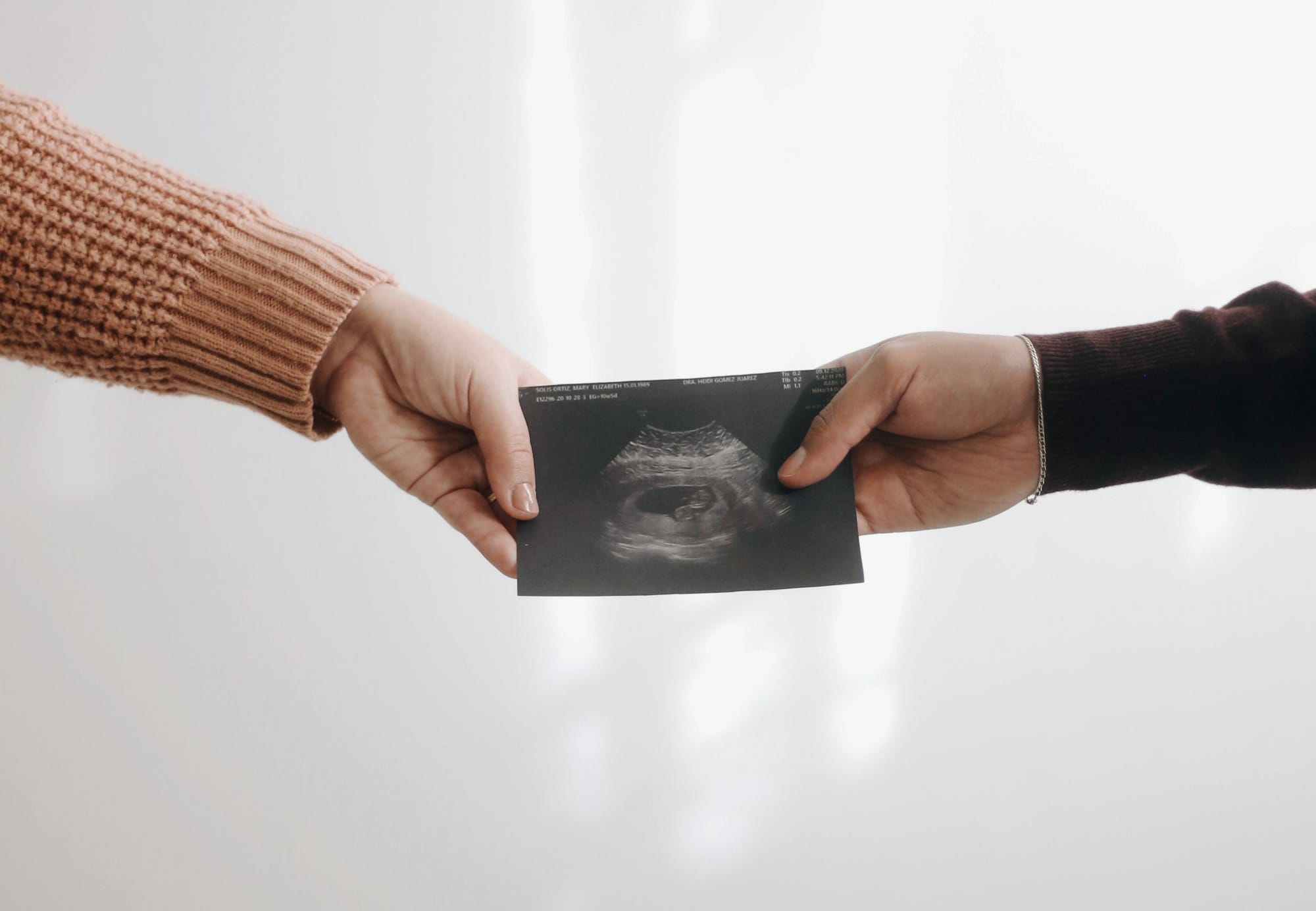
About 20 years ago, one of my husband’s best friends and his wife, received distressing news, similar to the Ridgways, that brought them to a moral crossroads. Doctors suggested that they consider terminating the pregnancy based on certain markers. The wife was willing to the end said pregnancy, but the husband was not. Approximately 6 months later, a healthy baby boy with only 46 chromosomes was born. The doctors were wrong. The technology was wrong. The decision to choose life, in my opinion, is always right.
You Just Never Know
My very own obstetrician, while talking with me about the thickness of my own pre-born son’s nuchal fold at 11 weeks gestation, told me that he’d delivered babies who were expected to be “normal” yet emerged with Down syndrome while others who were expected to have Down syndrome shocked the world with their “normalcy.”
As for myself, I couldn’t bear the thought of even a .1% chance of spontaneous termination after an amnio because I wanted my motives to be pure. I didn’t think I could live with the guilt if by some chance I lost my child to an “unforced error.” In addition, there was truly no point in finding out since the outcome would be the same.
We would keep, love and care for him or her. We would do the best we could with what we believed our sovereign and gracious Lord had ordained. We were, after all, among the Christians who said, “God is good. All the time.” And, He is. No matter the circumstances. Who He is never changes.
Statistically and Objectively Speaking
In case you have not read Mr. Ridgway’s quote or have forgotten exactly what he and his wife based their decision on, here’s a refresher…
“50% of babies with DS have heart defects. 75% will have hearing challenges. Over 50% will have vision problems. Impaired immune function, developmental disabilities, learning disabilities, delayed physical development, poor muscle tone, structural issues with face, decreased lifespan, etc…Sadly, the list is long, feel free to look it up…Down Syndome isn’t a “blessing”, it is objectively shitty from a health perspective. I didn’t realize just how rough it is for the child, let alone the family…more often than not, they would be fully dependent on others for the rest of their life.”
I just love statistics. They’re always right. 100% of the time. [sarcasm intended]

Ok, let’s look at these stats and see where we land from a subjective POV:
Did my son have a heart defect? Yes, atrial septal defect. Spontaneously closed on its own by the age of five (thank God). And, for those babies who have to have heart surgery to correct such defects, the outcomes are typically very good.3
Did my son have hearing challenges? Eh. Three sets of eartubes. At age 20, he hears fine unless he doesn’t want to.
Did my son have vision problems? Again… eh. He has glasses, but he can choose to wear them while reading or not. Side note: my friend‘s daughter who has Down syndrome does have “vision problems,” but that didn’t stop her from learning to read at age 4!
Impaired immune function? He gets sick the least of all of us.
Developmental and learning disabilities? Yep. But, so do other kids in our family who don’t have Down syndrome.
Delayed physical development? Yes, BUT… he can throw a spiral football and make more free throws than the average kid his age. Don’t get me started on his winning pickleball shots.
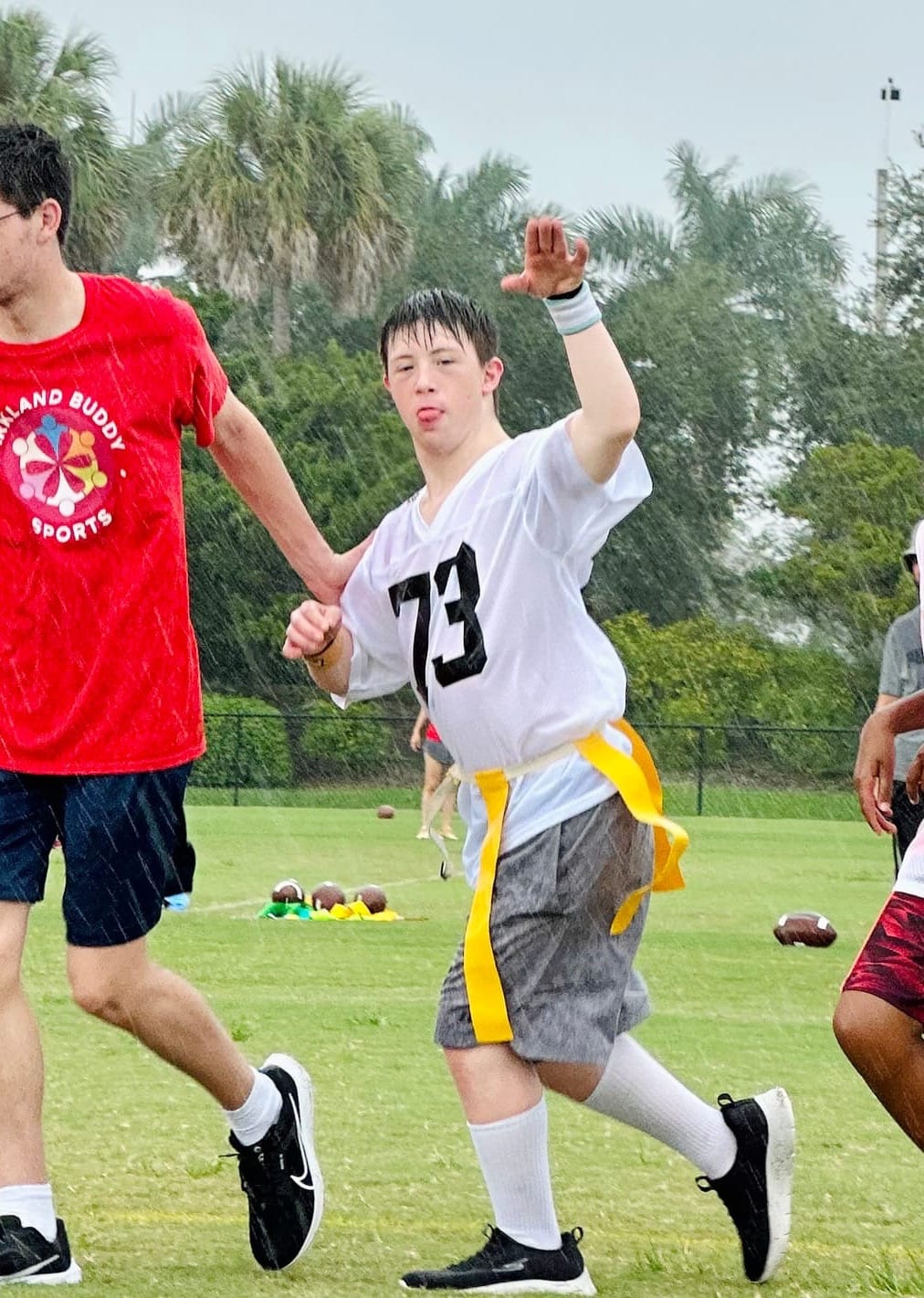
The list goes on, folks. I’m going to stop short of giving you a full medical history, as that could prove to be quite boring, but you do see where I’m going with this.
Obstacles are just that. They can be overcome. They shouldn’t have to be be turned into a literal death sentence just because someone is too afraid that they’ll have to strive, work, overcome, or take a child to more than their fair share of medical appointments.
But, there are plenty of folks who have children without Down syndrome who do just that due to other diagnoses well beyond birth. It’s called life. It’s not perfect. It’s messy but beautiful. Imperfect yet undeniably fulfilling.
About That Potty Word
Now, in full disclosure, have we had some “shitty” days during our journey with Down syndrome? Actually, yes. Quite literally, in fact, as my son had encopresis for years due to low muscle tone, which led to poor feeding, thickening his liquids with rice cereal and eventually chronic constipation that became the source of great pain and anguish for all involved, especially for my son.
Yet, God in His great mercy led us to a most wonderful gastroenterologist who helped set us on a path to healing.4 That was objectively gracious.
VICTIM OR VICTOR
Before Blake was born, the more I prayed “Lord please don’t let my baby have Down syndrome,” the more I sensed God asking me “Why are you trying to pray away a blessing?” I obviously didn’t think of Down syndrome as a blessing either, but I couldn’t deny that I was human and that my Heavenly Father was always good, so I conceded and tried to prepare my heart for the days to come.
Admittedly, after Blake was born, there were moments early on where I felt like a victim of my circumstance, and I would hide in a closet and just cry out to God asking Him “WHY” as I grieved the perceived loss of the typical son I had longed for. The one who could breastfeed without falling asleep from exhaustion due to low muscle tone or miss all of his milestones during his pediatric visits.
However, the impact of Down syndrome shifted when I changed my mindset from victim to victor.
First, instead of lamenting that my son was not who he was supposed to be and that Down syndrome had somehow robbed him (and us) of a “normal” existence, it dawned on me one day (or perhaps it was the still small voice of the Holy Spirit) that Blake was exactly who he was meant to be. There was no other Blake. I never lost a son I never had because he didn’t exist. Blake existed, and he was God’s wonderful choice for us. I needed to love the boy God created not the one who had somehow replaced the one I had supposedly “lost.”
“For you formed my inward parts; you knitted me together in my mother's womb. I praise you, for I am fearfully and wonderfully made. Wonderful are your works; my soul knows it very well. My frame was not hidden from you, when I was being made in secret, intricately woven in the depths of the earth. Your eyes saw my unformed substance; in your book were written, every one of them, the days that were formed for me, when as yet there was none of them.” Psalm 139: 13-16
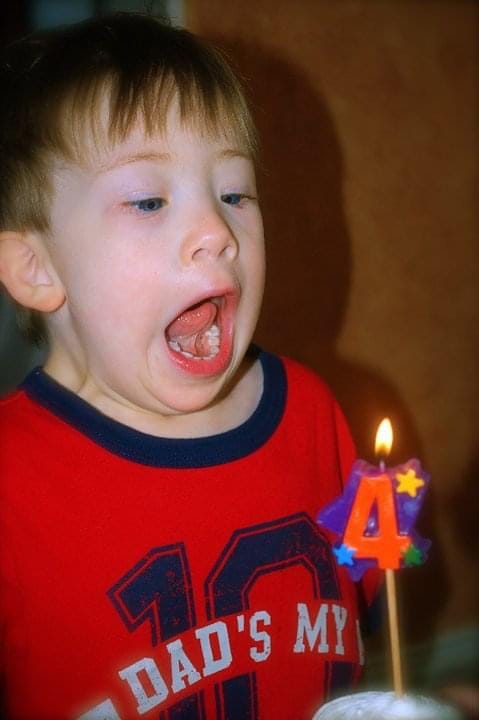
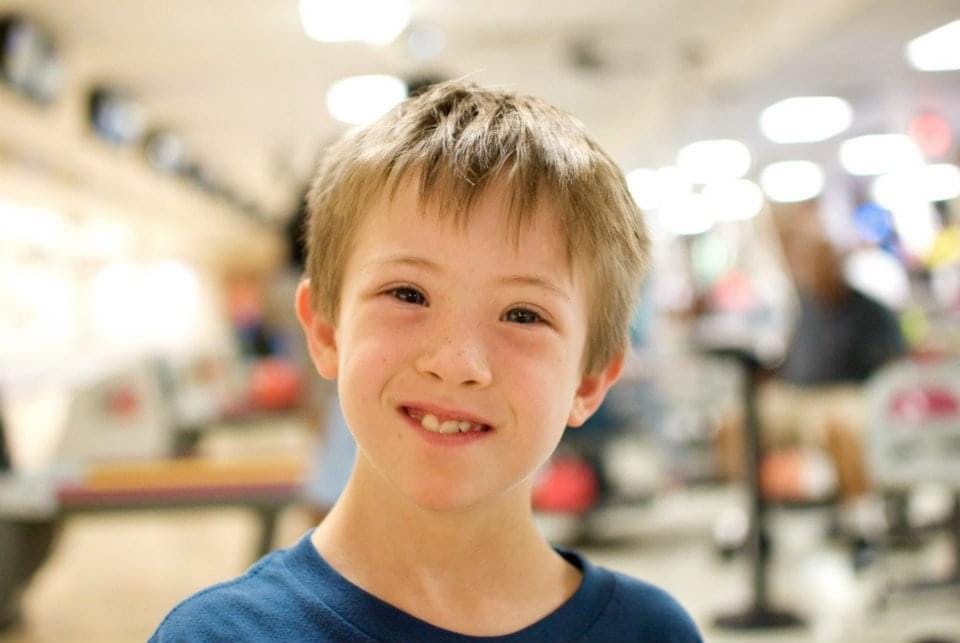
Second, as Blake began to touch others’ lives at school and bring smiles to their faces, adults and peers alike, I realized that he was not here just for me/us. God had a purpose (many purposes) for his existence, and it was not up to me to determine whether or not that was ok. How selfish and self-centered I had been!
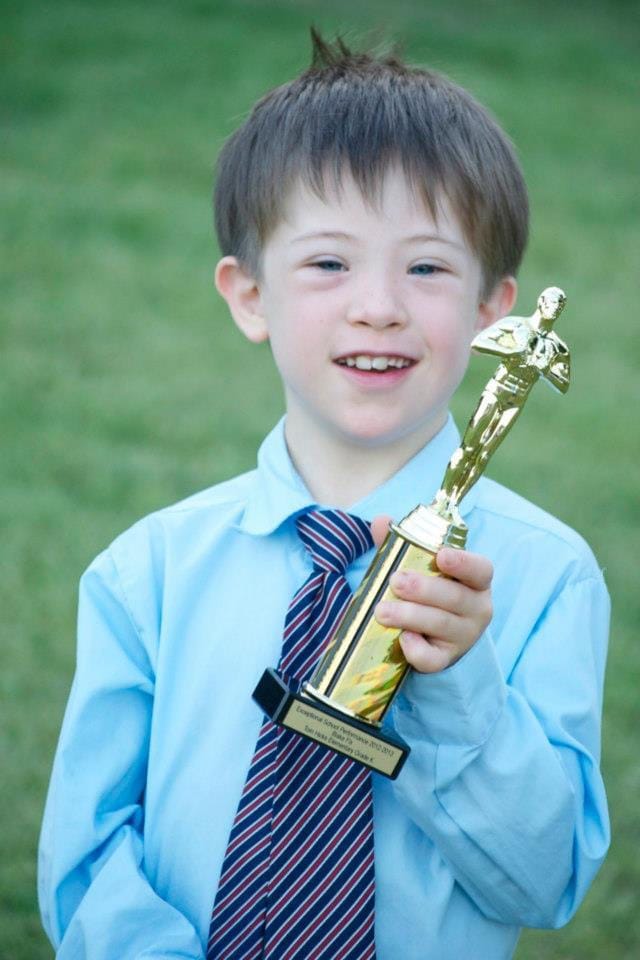
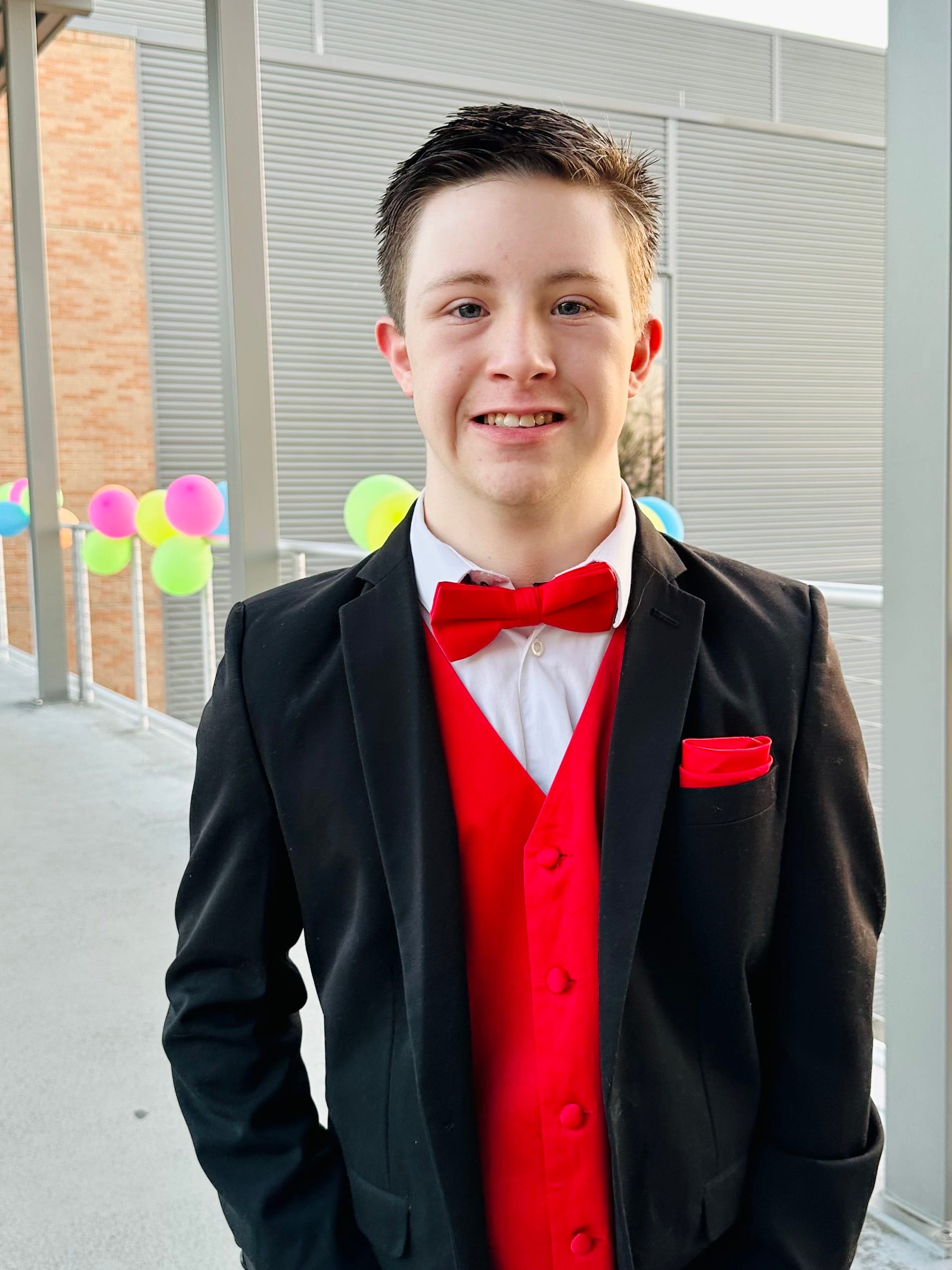
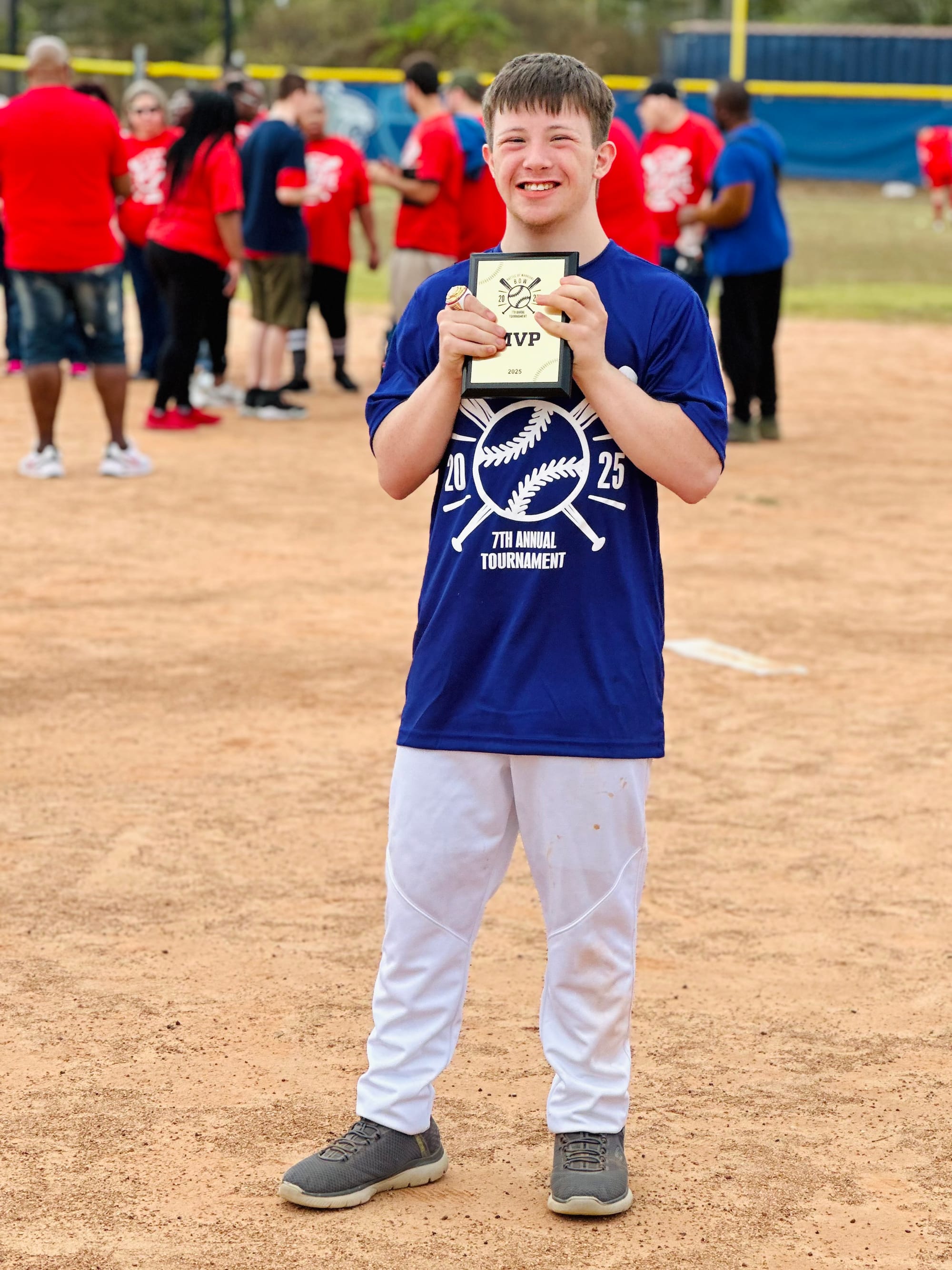
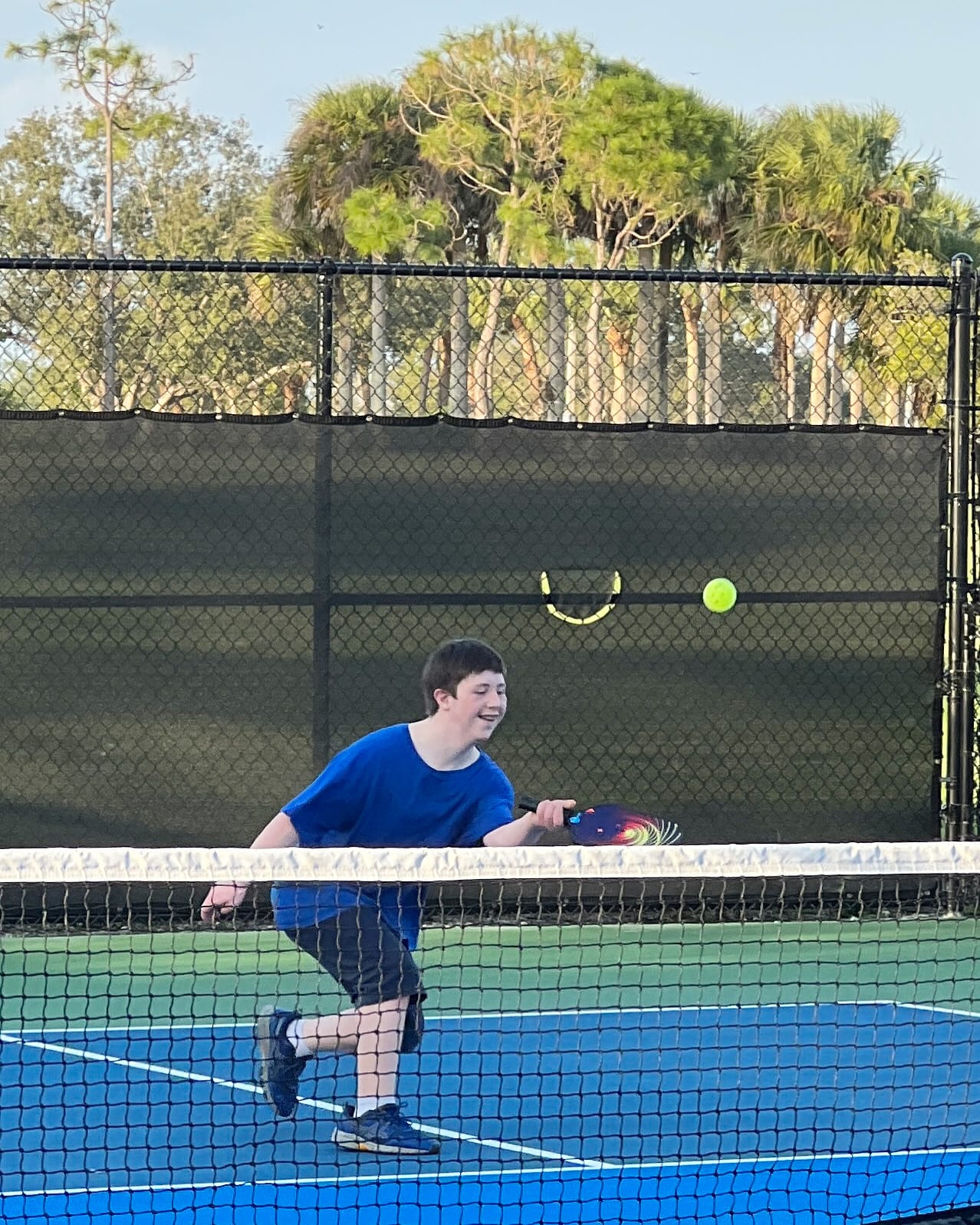
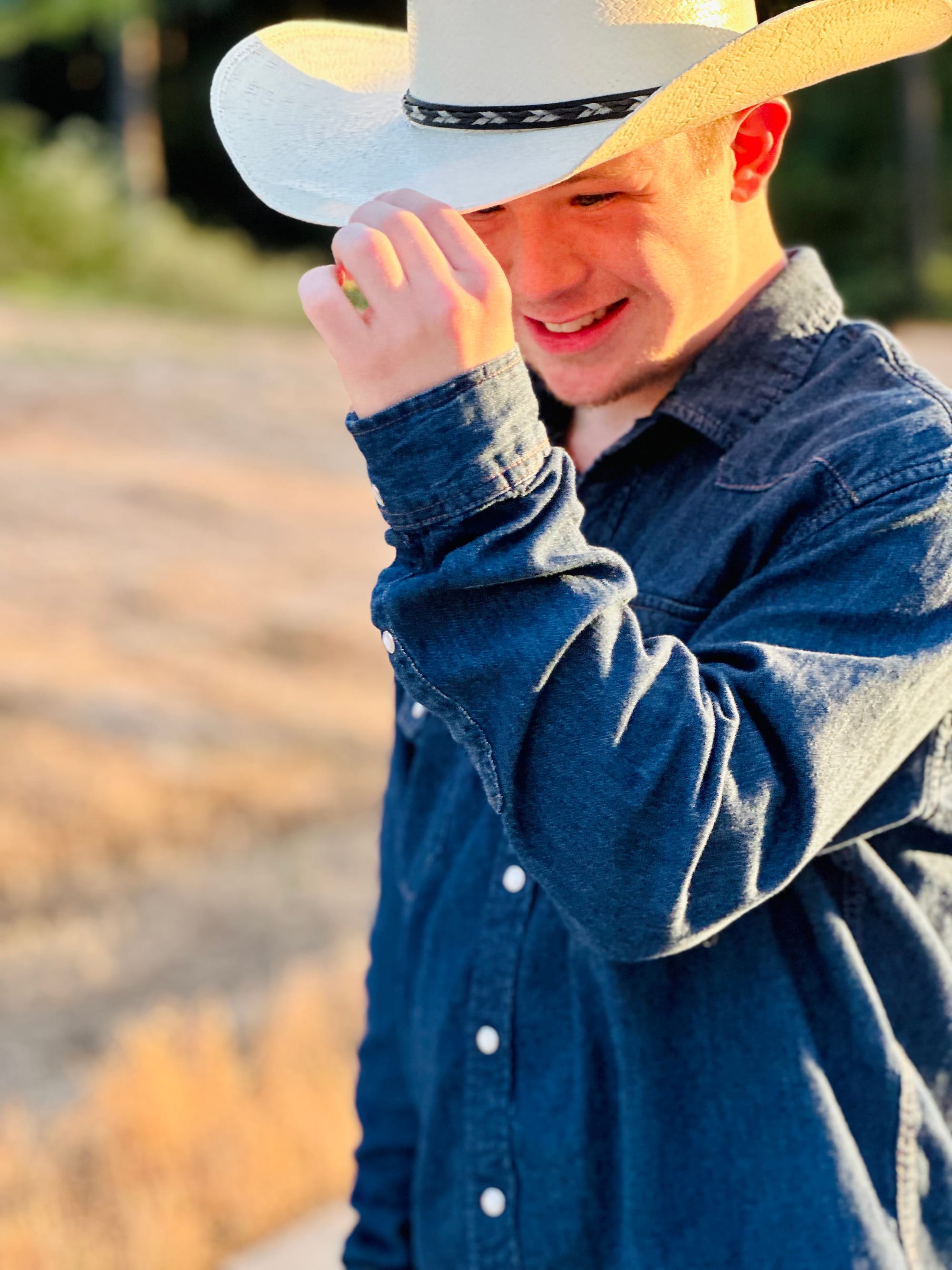
He's Definitely EXTRA!
Not So Different
In closing, I’d like to compare a few notes of objectivity that I think all of us parents might be able to relate to:
- Sometimes my son doesn’t know his left from his right. Typical kids do this too. That’s objectively spacial awareness.
- My son has rough days. That puts a strain on the family. Yours too? Who knew? That’s objectively being human.
- For the rest of his life, my son will expect me to love him, listen to him, go to bat for him, and make sure his needs are met. That’s objectively unconditional love.
SO, WHAT IF?
The Ridgways obviously asked themselves a lot of questions before making their final, painful decision, but I have to wonder if the following questions ever came to mind…
What if they can’t conceive again? What if their “perfect child” falls in a well and has a life altering TBI? What if their son is a star football player and gets sideswiped and becomes paralyzed from age 17 on?5 What if their child is diagnosed with a terminal illness at age 4? What if they are in an accident and their child perishes? What if their child has a hearing problem? A vision problem? A congenital heart defect? A mental illness? What if a million other things!?!
I, for one, hope and pray they never have to find out. But, I do hope they realize that they did, in fact, miss out on a blessing, and I hope it sends them to their knees before a Holy God who is good, merciful and kind. I also hope that there they will finally find the perfection that they seek in the one and only perfect child who was ever born on this earth, the Son of God, Jesus Christ.
1 Link to Jesse Ridgway’s post on X here.
2 https://neurodiversityunleashed.com/objectively-shitty-dressing-up-fear-as-data/
4 Encopresis resource https://www.choa.org/doctors/jose-m-garza


